
Miami Lakes Past Resident Sources
Each source answers a different time-based question. The Miami-Dade Property Search supplies the current folio, situs address, legal description, owner, mailing address, and sales references. The County Recorder connects that land to recorded instruments. Historical sources can add occupants, but their dates and geographic labels must be read with care.
| Source | Years It Covers | Where Held | What It Shows |
|---|---|---|---|
| Official Records online | Most records from 1974 | Miami-Dade Clerk | Deeds, parties, dates, land descriptions |
| Earlier deed books | Before the online cutoff | Records Library | Grantor/grantee indexes and deed images |
| Miami Lakes permits | Start date not published | Town eTRAKiT or request | Projects, applicants, contractors, inspections |
| Directories | Exact local run needs shelf check | MDPLS Main Library | Listed occupants and phone entries |
| Florida census | 1935 and 1945 | MDPLS and archives | Household and place |
| Federal census | Open through 1950 | National Archives | Enumerated household and address |
Start with the newest reliable record and move backward. A parcel card is assessment evidence, not a title opinion or a household roll. A directory reflects its compilation period, while a census describes one day. Keep those limits beside each note.
Open Miami Lakes Parcel Evidence
Search the complete address and save the folio, site address, owner, mailing address, legal description, subdivision, latest sale reference, exemptions, and tax year. Situs means the physical location being assessed. A different mailing address may point to an owner elsewhere, a trust contact, or a management office. It does not establish who lives there.
The folio and legal description are durable keys. Street labels can change with postal practice or local history, but lot, block, subdivision, plat reference, and folio can bridge the same land across indexes. Record the source date. Current ownership and exemption information can change independently.
Note: A homestead exemption supports owner occupancy for a stated tax year, but it does not identify every member of the household.
Walk Miami Lakes Deeds Backward
The Miami-Dade Clerk Official Records index is the core ownership trail. Find the latest purchase instrument through the parcel card’s CFN or book and page reference. Save the whole index line, image reference, instrument type, execution date, recording date, parties, and legal description. Not every filing is a sale. Mortgages, releases, liens, corrective deeds, and declarations answer other questions.
- Copy the folio and legal description from the current parcel card.
- Open the owner’s purchase deed by CFN or book and page.
- Record the grantee, who received an interest, and grantor, who conveyed it.
- Search that grantor as a grantee in earlier years and match the same land.
- Repeat to the web cutoff, then take names and land description to the Records Library.
- Grantor and grantee
- The grantor conveys an interest; the grantee receives it.
- Chain of title
- The linked sequence of instruments affecting the same land.
- Legal description
- The lot, block, subdivision, or other recorded parcel description.
Compound surnames, initials, omitted accents, trust names, and company ownership can split a trail. Try exact variants and narrow by date and document type. Match the land before treating two similar names as one person.
Cross Miami Lakes’ 1974 Divide
Most Miami-Dade Official Records from 1974 forward are online. Earlier web coverage remains incomplete as images are added. That is an access limit, not proof that no deed exists. Take the last known parties and legal description to the Clerk Records Library, where public computers and staff-supported searching reach older indexes.
Visit 20 NW 1st Avenue in Miami, call 305-275-1155 for procedure, or mail a focused request to the Office of County Recorder, 20 NW 1st Avenue, Suite 5.246, Miami, FL 33128. State the full name, document type, years, address, and legal description. Staff searches cost $2 per name per year. Copies cost $1 per page, with $2 added for certification.
The PACER source is a federal court route, not a substitute for county land books.
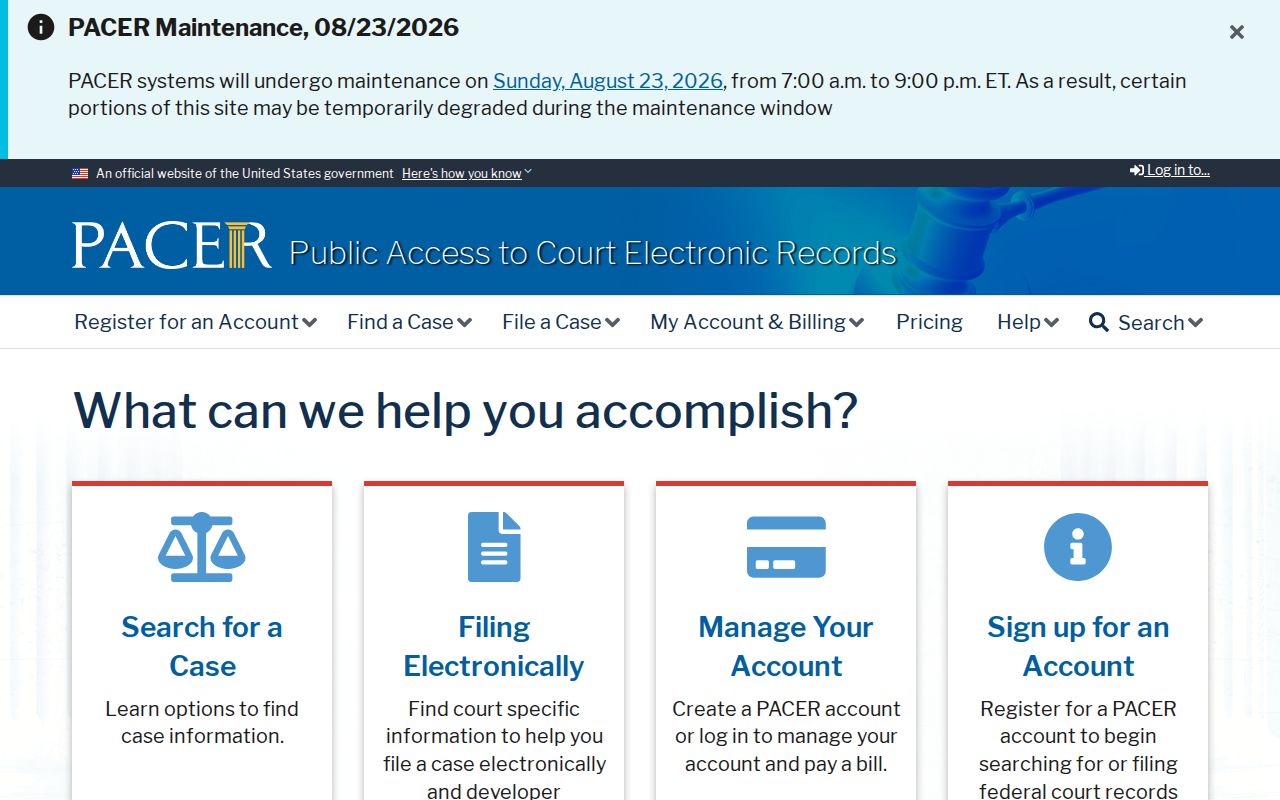
Use federal material only when a deed, estate, company, or named party creates a real case lead. The Recorder remains the authority for land instruments.
Date Miami Lakes Property Changes
The Town’s Building, Zoning and Code Compliance records add work dates. eTRAKiT accepts permit number, property address, folio, permit type, or contractor name. Results can connect a site with an applicant, contractor, project, review status, inspections, or code matter. Preserve each role. An applicant or contractor is not automatically a resident.
If the search lacks an older file, request it through the Town Clerk’s Public Records Center, email, phone, fax, mail, or counter. The Building Department also accepts duplicate-plan requests by email. Give the folio, address, permit or case number, dates, and document type. Ask for electronic delivery and a cost estimate if retrieval may take extensive staff time.
Note: Permit dates establish construction or alteration, but they cannot prove that an owner or applicant occupied the property.
Pair Miami Lakes Household Records
Ownership is only one line in a previous residents search. Ask the MDPLS Genealogy Collection for the nearest metropolitan Miami, Hialeah, Dade County, telephone, Polk, reverse, or criss-cross edition. When only an address is known, begin in the street section. Copy each listed unit and occupant exactly. Cite the title, publisher, year, page, and abbreviation key. The exact Miami volume run is not published online, so librarian help is essential.
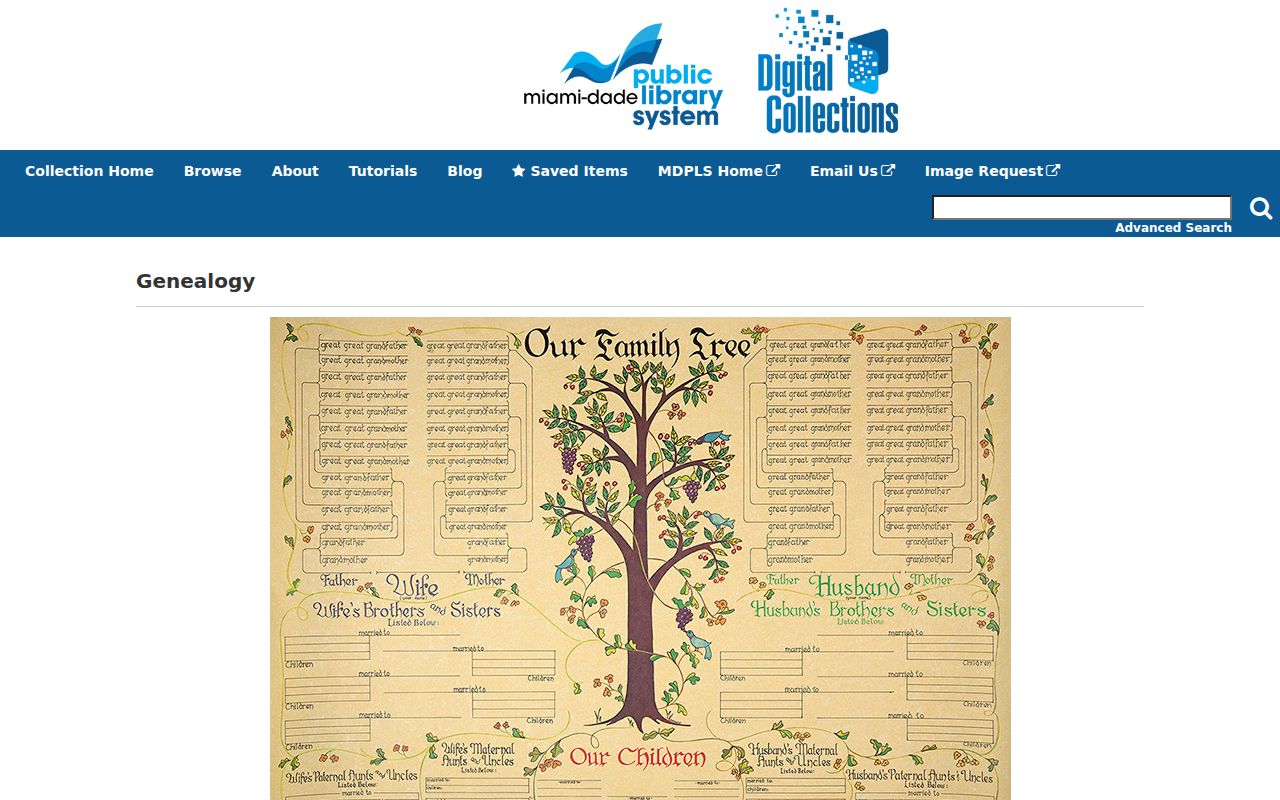
The collection page confirms the library route and available source types; a librarian must still verify an exact local year.
Pair that directory with the closest census. MDPLS holds Florida schedules for 1935 and 1945. The National Archives 1950 Census is the latest open federal person-level census under the 72-year rule.
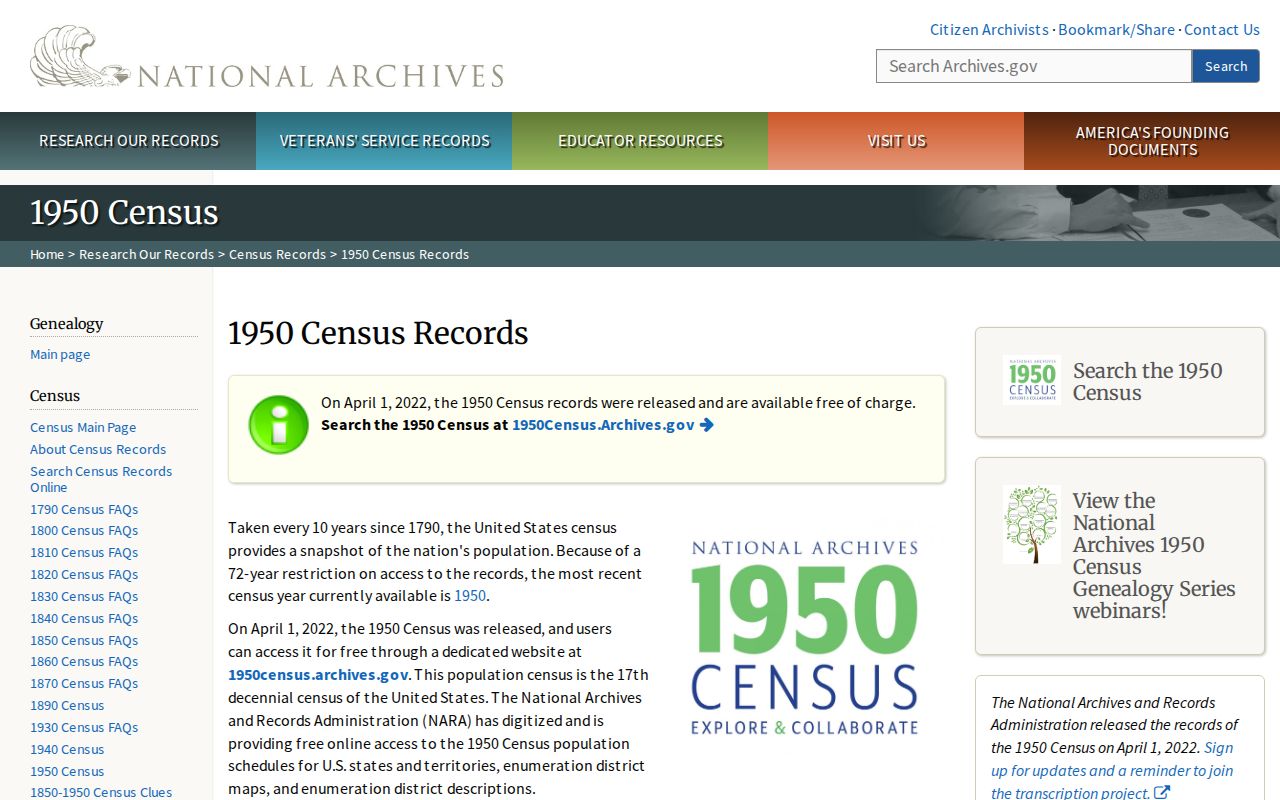
The census may supply household, age, birthplace, marital status, and address. Compare it with the directory without forcing agreement. Publication lag, a move, a missed canvass, or a different heading may explain a mismatch.
- Establish the parcel and historical jurisdiction.
- Choose the nearest directory and copy the entry as printed.
- Check adjacent editions for first and last appearances.
- Compare the closest state or federal census.
- Add deeds, permits, probate, and obituaries as separate dated evidence.
Decode Older Miami Lakes Labels
Miami Lakes developed chiefly after 1960 and incorporated in 2000. Older records may use Dade County, Miami-Dade County, Miami or Hialeah postal geography, a subdivision, or an enumeration district instead of the Town name. Planned lakes and neighborhood clusters also mean the best historical key may be a plat, not a modern address string.
Lake Patricia marks the earliest modern neighborhood era and received a Good Housekeeping citation in 1964. Later residential sections, Town Center phases, business parks, and western annexation create different start dates. A nineteenth-century Miami Lakes directory run is the wrong expectation. For predevelopment land, begin with plats and county deeds.
Insider tip. When names or postal labels fail, search the lot by subdivision, block, plat reference, and legal description.
Close Miami Lakes Resident Timelines
Probate and obituaries can explain why a name leaves a deed or directory trail. Use the Clerk’s Civil, Family and Probate route from the Miami-Dade records hub. A docket is the dated list of court filings and events. It may identify a personal representative, case number, order, and copy route. Sealed or restricted images remain protected.
The Miami-Dade Obituary Index can lead from a name and date to a newspaper citation. Cemetery, funeral-home, and church sources add context under their own rules. Vital certificates follow separate eligibility limits. Florida birth records remain confidential until more than 125 years old, and cause-of-death details are restricted until 50 years after death under section 382.025.
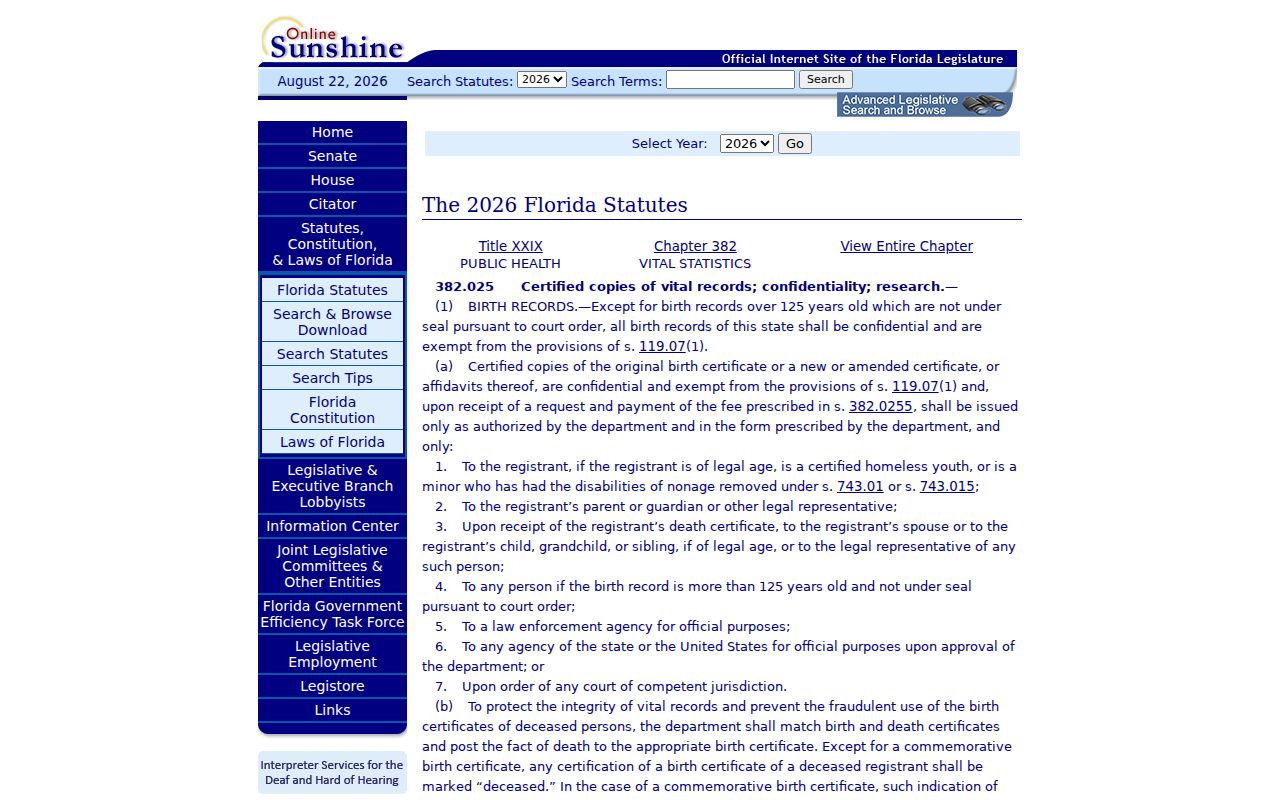
The statute screen is the authority for those limits, while the certificate custodian controls eligibility and copy requests.
Lawful use. Trace past residents for house history, family history, estates, or personal curiosity. Never stalk, harass, threaten, or defeat a protected address.